Quick answer
Start with what a buyer's inspector will report: water, structure, heating, electrical, plumbing and anything that doesn't work. Fix known problems, or disclose them. I'd treat a big kitchen, bathroom or basement project as a pricing question to settle with your REALTOR® before you spend. Walk the house with a written list first.
Sources: Government of Alberta fact sheet; RECA, Home Seller's Guide.
On this page
What to fix before selling in St. Albert
It's not unusual for an Alberta purchase contract to include a home inspection as a condition (Alberta.ca). Under Alberta's contract rules, an inspection may cover roofing and chimney, the exterior including lot grading and decks, the structure, electrical, heating, cooling, insulation, plumbing, the interior, and mould or asbestos (Government of Alberta fact sheet). That list is a good start for your own punch list.
Fix first: known defects and anything that doesn't work
In Alberta, sellers and their agents must disclose known material latent defects. The standard seller representation agreement asks if you know of any, and you must answer honestly. RECA's examples include water entering the house whenever it rains, a crack in a basement wall that affects the structure, and a finished basement, addition or garage built without the appropriate permits (RECA).
A known problem is one you have to disclose either way, so ask your REALTOR® whether to repair it before you list. If a repair involves permits or a contract, ask a real estate lawyer.
What I'd do first: a low-cost refresh
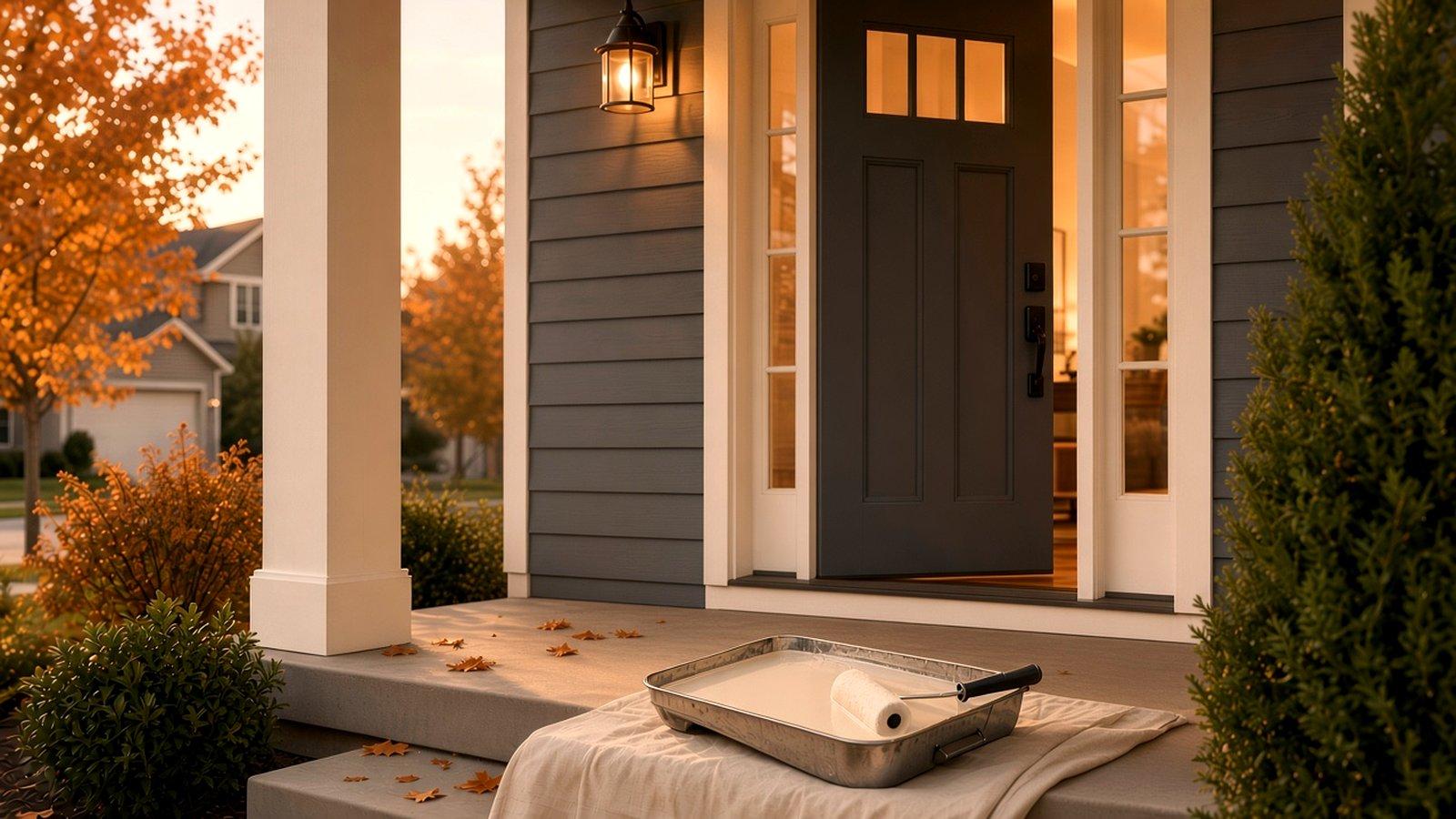
This part is my view, not a study. I've written about it in my guide to the most profitable home renovations before you sell. Small, inexpensive work shapes a buyer's first impression: fresh neutral paint, working light fixtures, clean grout, a tidy front entry, a trimmed yard and a clean or freshly painted front door.
I won't promise a dollar return on any of it.
What I'd question before you list
Large remodels, highly personal finishes and projects you can't finish before listing are the ones I'd question first. An unfinished project can also come back to you in an offer. RECA explains that a buyer may ask for a holdback, which keeps part of the price back until the work is done. It only applies if the seller agrees and it is written into the contract (RECA).
Permits and paperwork in St. Albert
Unless the buyer agrees otherwise, an Alberta seller must provide a Real Property Report with evidence of municipal compliance before closing (RECA).
The City of St. Albert doesn't require compliance certificates, but lenders and offers often do. The City says to apply when you list. Standard processing can take up to 15 working days, and accelerated service takes five business days. The City also notes that building without a development permit may delay the sale of your home (City of St. Albert).
The City's 2026 fee for a low-density residential certificate is $286 for regular service and $451 for accelerated service (City of St. Albert, 2026 fees). Read my guide to the St. Albert RPR and compliance certificate.
How this ties to pricing
Your REALTOR® uses recent comparable sales to help set the listing price, and the price is your decision (RECA). Ask whether a repair changes the price before you pay for it. My guide on how to price a St. Albert home in 2026 explains the process.